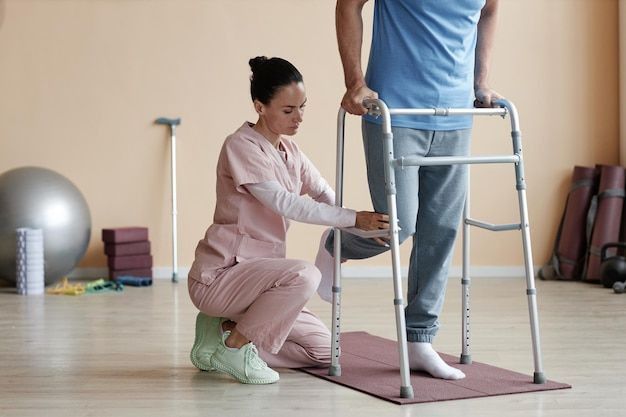
If you’ve ever thought about building a stable, meaningful career in healthcare in Canada, you’ve probably come across the term LPN (Licensed Practical Nurse) programs. And honestly? It’s one of the most practical and achievable pathways into the healthcare industry — especially for both domestic and international students.
Let’s break it down in a simple, real-life way.
What is an LPN Program?
An LPN (sometimes called RPN in provinces like Ontario) is a diploma-level nursing program that prepares you to work directly with patients. You’re not just assisting — you’re providing hands-on care, monitoring health, administering medications, and being a key part of the healthcare team.
It’s one of those careers where you feel needed every single day.
Healthcare in Canada is always in demand. Hospitals, long-term care homes, clinics, and community health centres — they all need trained nurses. That’s why LPN programs are considered a smart career move.
Eligibility – Can You Apply?
For Undergraduate (UG) Diploma in Practical Nursing
This is the most common pathway.
You typically need:
-
High school completion (Grade 12 or equivalent)
-
English proficiency (IELTS usually 6.0–6.5 overall, depending on college)
-
Biology (mandatory in most cases)
-
Sometimes Math and Chemistry
-
Police clearance and medical fitness
-
CPR certification (before clinical placements)
If you’re an international student, don’t panic. Many colleges offer foundation or pre-health programs if you’re missing a subject.
The UG diploma usually takes 2 years, including clinical placements.
For Postgraduate (PG) Diploma Options
If you already have:
-
A BSc Nursing degree
-
A healthcare-related diploma
-
Or experience as a nurse in your home country
You can explore:
-
PG certificates in healthcare leadership
-
Advanced practical nursing programs
-
Healthcare administration diplomas
-
Gerontology or mental health specialisations
These are usually 1–2 years long and can strengthen your profile if you want to move into supervisory or specialised roles.
Clinical Placements – Real Experience Matters
One of the best parts of LPN programs in Canada is the hands-on clinical training.
You don’t just sit in a classroom. You work in real hospitals and care homes. You learn by doing. That experience is what makes you job-ready immediately after graduation.
And many students get job offers from the same places where they did their placements.
Is It PR Friendly?
Short answer: Yes. Very much.
Healthcare occupations, including Licensed Practical Nurses, are consistently in demand across Canada.
LPN falls under in-demand NOC categories, which means:
-
Eligible for Express Entry
-
Eligible for Provincial Nominee Programs (PNPs)
-
High CRS points due to a high-demand occupation
-
Easier PR pathways compared to many other fields
Provinces like:
-
Ontario
-
British Columbia
-
Alberta
-
Manitoba
-
Saskatchewan
regularly invite healthcare professionals under PNP streams.
If your goal is Permanent Residency, healthcare is one of the safest career bets in Canada.
Post Study Work Permit (PSWP)
This is important for international students.
If you complete a program at a Designated Learning Institution (DLI) and it’s at least 2 years long, you are usually eligible for up to a 3-year Post Study Work Permit.
That means:
-
You can work full-time after graduation.
-
Gain Canadian experience.
-
Apply for PR while working.
Even 1-year PG diplomas can give you a 1-year work permit.
Always check that your college is PGWP eligible before applying.
Salary and Career Growth
Let’s talk practical numbers.
LPNs in Canada earn approximately:
-
$25–$35 per hour (varies by province)
-
$50,000–$70,000 per year on average
With experience, overtime, and shift premiums, income increases.
You can also:
-
Upgrade to Registered Nurse (RN) later
-
Move into management
-
Specialising in mental health, paediatrics, and geriatrics
-
Work in hospitals, private clinics, travel nursing, and home care
Healthcare gives you long-term stability. It’s not a trend-based career. People will always need care.
Is It the Right Choice for You?
Ask yourself:
-
Do I like helping people?
-
Can I handle responsibility?
-
Am I okay with practical, hands-on work?
-
Do I want job security and PR opportunities?
If your answer is yes, LPN programs are honestly one of the most practical entry points into Canada’s healthcare system.
It’s not just a diploma. It’s a career pathway. A PR-friendly field. A stable income. And most importantly, meaningful work.